Alexandra Palace rubbish removal for events
Posted on 09/05/2026
Alexandra Palace rubbish removal for events: a practical guide to smoother clean-ups
Running an event at Alexandra Palace is brilliant right up until the aftermath arrives. Empty cups, torn packaging, cable ties, food waste, broken boxes, display materials, back-of-house clutter, and those odd bits nobody claimed. It builds up fast. That is where Alexandra Palace rubbish removal for events becomes less of a nice-to-have and more of a sanity-saver.
Whether you are organising a conference, brand activation, wedding, private party, exhibition stand build, or community event, the clean-up needs to be planned as carefully as the guest list. Truth be told, a tidy exit can save money, protect your reputation, and keep the venue team happy too. This guide explains how event waste removal works, what to expect, which mistakes trip people up, and how to make the whole process feel a lot less chaotic.
If you are also comparing broader support options, you may find our services overview useful for seeing how event clearances fit alongside other waste and clearance work. For organisers who want reassurance around handling, transport, and site safety, our insurance and safety information is worth a look too.
Why Alexandra Palace rubbish removal for events Matters
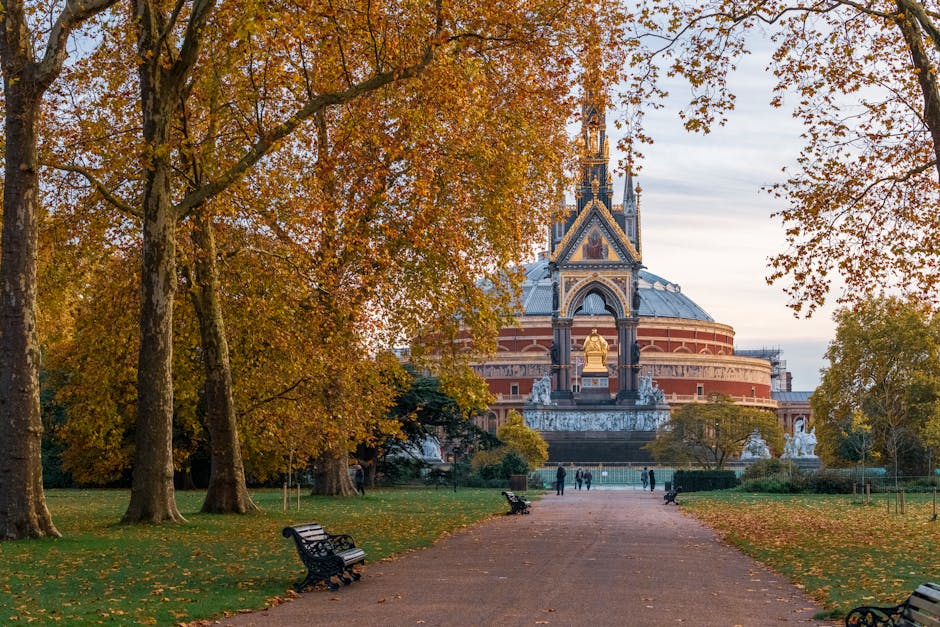
Alexandra Palace is not the sort of place where you can leave the aftermath to chance. It is a high-footfall, high-visibility venue, and event rubbish tends to accumulate in awkward places: under tables, behind staging, beside loading areas, in bar corners, around exhibition booths, and near back corridors where nobody notices until the end. A missed bin bag here and a stack of flattened boxes there can slow down dismantling and create friction with venue staff.
Good rubbish removal matters because event waste is rarely just "rubbish". It can include recyclable cardboard, mixed packaging, food waste, disposable decor, signage, damaged props, and sometimes heavier items such as shelving, pallets, or dismantled display materials. If you do not plan for these streams, the clean-up turns messy very quickly. And no one wants to be the organiser still hunting for a bag of waste while the last guests have gone and the light is already fading outside.
There is also a brand angle. At a place like Alexandra Palace, presentation matters. Guests notice the state of the space on arrival and on departure, even if they never say so. A clean exit signals professionalism. A rushed one, well, that has a way of lingering in people's memory.
For planners working across North London, local context also helps. If your event is part of a wider programme in the area, our Haringey venue guide for party planners offers useful perspective on how to think through venue logistics before the big day.
Expert summary: The best event rubbish removal is not the fastest bin lift at the end; it is the waste plan you build before guests arrive. Separate waste streams early, assign responsibility clearly, and schedule the clear-up around the venue's access rules. That is what keeps things smooth.
How Alexandra Palace rubbish removal for events Works
In practical terms, event waste removal usually starts before the event even begins. A proper plan looks at what waste will be produced, where it will gather, how it should be separated, and when it will be taken away. The goal is simple: prevent piles from forming in the first place. Easier said than done, admittedly, but very doable.
The process often follows a few familiar stages:
- Pre-event assessment - The organiser or waste provider estimates what types of rubbish will be created, how much space is available, and what collection timing will work.
- Collection point setup - Bins, sacks, cages, or designated loading spots are positioned so staff and suppliers know where to place waste.
- During-event management - Waste is monitored and removed in stages to stop public areas and service corridors from becoming cluttered.
- Post-event clear-up - Remaining waste, broken-down packaging, and event debris are collected, loaded, and removed from site.
- Sorting and disposal - Reusable, recyclable, and general waste are handled according to the agreed method and any venue requirements.
For larger events, the removal may need to be phased. For example, a conference may need early removal of cardboard from exhibitor stands, then a final sweep after breakdown. A food-led private event might need extra attention for catering waste, glass, and mixed disposables. A live production can be another beast entirely, with timber, cable offcuts, protective sheeting, and bulky set pieces. Every event has its own little quirks.
If the event includes offices, hospitality spaces, or temporary admin areas, it may also overlap with our office clearance service, especially where desks, packaging, old furniture, or storage items need removing after a temporary setup.
And if the waste is more general mixed rubbish rather than event-specific debris, our rubbish collection in Haringey page shows how standard collections can complement event support.
Key Benefits and Practical Advantages
There are obvious benefits, like keeping the venue clean. Then there are the quieter ones that save stress behind the scenes. The best event waste removal does both.
- Faster breakdown times - When waste points are clearly arranged, crew can work without constantly stopping to ask where things go.
- Cleaner guest experience - Guests are less likely to see overflowing bins, stray packaging, or messy corners.
- Better venue relationships - A venue team that receives a tidy handover is much more likely to be helpful and flexible next time.
- Reduced risk of damage - Piles of rubbish in narrow areas can snag equipment, block access, or create trip hazards.
- Improved recycling outcomes - Separating cardboard, plastics, metal, and general waste early makes reuse and recycling much easier.
- Less pressure on your team - People can focus on hosting, not playing emergency bin wrangler at 11 p.m.
There is also a cost control angle. Mixed waste is often harder to handle efficiently than well-sorted material, and poor planning can lead to extra labour time, last-minute vehicle movements, or repeat visits. Small issue? Maybe. But these small issues stack up fast, especially on a tight event schedule.
If sustainability is part of your brief, it helps to have a disposal partner that understands recycling and waste separation. Our recycling and sustainability approach explains the kind of practical thinking that supports lower-impact clearance work.
Who This Is For and When It Makes Sense
Not every event needs a heavyweight clearance plan. A small meeting with a few bins may only need basic rubbish collection. But the moment you add suppliers, catering, decor, staging, printed materials, or public attendance, the waste picture changes.
This service is especially useful for:
- event planners managing conferences, exhibitions, product launches, and networking nights
- wedding and private party organisers dealing with decor, tableware, packaging, and floral waste
- production teams working on temporary installations or live entertainment setups
- exhibitors who need cardboard, stand materials, and promotional waste removed quickly
- venue teams coordinating end-of-night or next-day clear-downs
- corporate hosts who need the site returned to a presentable standard with minimal fuss
It also makes sense when you are juggling timing. For example, if one supplier is still striking a stand while another is loading out furniture, waste can get in the way very quickly. That is where a dedicated removal plan becomes genuinely valuable rather than merely convenient.
For organisers exploring how different local services fit together, our waste removal in Haringey page is a good companion resource. If you are dealing with bulkier post-event items or mixed site waste, it can help you decide what kind of service is the right fit.
Step-by-Step Guidance
Here is the cleanest way to approach event rubbish removal at Alexandra Palace. Nothing fancy. Just a solid sequence that keeps people from tripping over each other, metaphorically and literally.
- Estimate the waste in advance
List likely waste types: cardboard, plastics, food waste, glass, floristry, set materials, cables, and general rubbish. A quick run-through with suppliers usually reveals more than you expect. - Map the waste zones
Mark where waste will be generated and where it should be collected. Back-of-house points matter just as much as public bins. - Check venue access and timing
Find out loading arrangements, collection windows, lift access, any restrictions, and where waste vehicles can safely stop. - Choose separation rules
Decide what gets recycled, what is general waste, and what needs special handling. Keep labels simple so staff can follow them under pressure. - Brief the crew and suppliers
Tell everyone where to put things. If the instructions are vague, the waste ends up scattered. Every time. - Schedule mid-event sweeps if needed
For longer events, do not wait until the end. A short tidy-up during quiet windows can prevent a big backlog later. - Book the final clear-up
Leave enough time after the event for a proper sweep. Rushing this stage almost always means something gets left behind. - Do a last walkthrough
Check corners, storage areas, under tables, and loading zones. The obvious stuff is rarely the stuff you miss.
A useful habit is to think in zones rather than in "bins". That sounds minor, but it changes behaviour. If people know that packaging goes in one place, glass in another, and loose general waste in a third, the whole process becomes calmer. Less confusion, fewer mistakes, fewer "where does this go?" moments shouted over the noise of a venue in full swing.
Expert Tips for Better Results
Most event clean-up problems are predictable. Which is good news, because predictable problems can be prevented.
- Use more collection points than you think you need. One central bin is rarely enough once a crowd gets moving.
- Label everything clearly. Not decorative labels. Plain, simple, hard-to-miss labels.
- Keep wet waste away from dry recyclables. A soggy cardboard box in the wrong pile can ruin a good sorting effort.
- Separate bulky items early. Large packaging, shelving, or furniture offcuts should not sit in the way until the end.
- Build in a buffer. Event breakdown always takes a bit longer than the optimistic version in the spreadsheet. Always.
- Use the first ten minutes well. If the initial waste is handled properly, the rest of the night is easier.
One small but effective trick: assign a single person to say "yes, that can go there" during the busiest period. It saves endless second-guessing. I know, it sounds almost too simple. But simple is often what works.
If your event is tied to a wider property, venue, or relocation project in the borough, you might also find the broader local context in our local guide to living in Haringey useful. It helps frame the practical side of organising around local access, movement, and timing.

Common Mistakes to Avoid
Let's face it, event waste gets overlooked because everybody is focused on the main programme. That is exactly why the same mistakes keep happening.
- Leaving waste planning until the end. By then, the venue is already full of clutter.
- Mixing all waste together. Once cardboard, food waste, and general rubbish are combined, sorting becomes slower and messier.
- Forgetting the back-of-house areas. These spaces are often where the biggest build-up happens.
- Underestimating load-out time. Even a neat event can produce more material than expected.
- Not checking venue rules. Access arrangements, collection times, and parking can affect everything.
- Assuming suppliers will tidy their own waste. Some will. Some absolutely will not. Best not to assume.
Another common issue is failing to think about the final visual sweep. A site can be technically cleared but still look untidy if someone misses tape offcuts, signage, cable ties, or crushed drink cups. The small things matter, especially at a venue with Alexandra Palace's profile.
For organisers comparing costs and timing around local collections, our Wood Green rubbish removal costs and tips article can help you think through the value side of local waste services in a practical way.
Tools, Resources and Recommendations
You do not need a mountain of specialist gear to manage event rubbish well, but a few sensible tools make a big difference.
| Tool or resource | Why it helps | Best used for |
|---|---|---|
| Clearly labelled waste stations | Reduces confusion and makes sorting faster | Guest areas, staff zones, catering points |
| Heavy-duty sacks or bins | Handles higher volumes and reduces spillage | General event waste, packaging, mixed rubbish |
| Cardboard flattening tools | Saves space and speeds up collection | Exhibitions, retail activations, product launches |
| Loading plan or floor map | Keeps collection routes clear and organised | Large venues and busy breakdowns |
| Waste brief for suppliers | Gets everyone following the same system | Any event with multiple contractors |
For trust and transparency around how a provider operates, it also helps to review site policies before you book. Our about us page gives a clearer picture of who is behind the work, while the pricing and quotes page explains how estimates are approached.
If you are arranging payment for an event at short notice, the payment and security information is a sensible read too. It is one of those boring-but-important things. Boring, yes. Important, absolutely.
Law, Compliance, Standards, or Best Practice
Event rubbish removal in the UK is not something to treat casually. Even if your event is relatively small, waste still needs to be handled responsibly. The exact duties will depend on the type of waste, who produced it, and how the site is managed, so it is best to stay careful rather than overclaim certainty.
In practice, a good event waste process should follow common UK expectations around:
- safe handling - staff should avoid lifting injuries, sharp edges, or unstable piles
- segregation - recyclable and general waste should be separated where practical
- responsible disposal - waste should go through appropriate, lawful routes
- clear documentation - especially when multiple contractors or waste types are involved
- venue coordination - follow the site's access and loading requirements
Best practice also means being honest about what a service can and cannot take. If there are hazardous materials, sharp objects, or unusual waste streams, those may require a different approach. That is not fussiness. That is common sense, and common sense saves headaches later.
For organisers who want to know more about standards of conduct and safety expectations, the terms and conditions and modern slavery statement pages help reinforce the kind of responsible operation you should expect from a serious provider.
Options, Methods, or Comparison Table
There are a few different ways to handle event waste around Alexandra Palace. The right one depends on scale, timing, and how much control you want over the process.
| Method | Best for | Pros | Trade-offs |
|---|---|---|---|
| In-house clean-up by venue or event staff | Small events with simple waste streams | Flexible, familiar team, lower coordination | Can be slow, uneven, or disruptive during breakdown |
| Scheduled rubbish collection | Events with predictable waste and moderate volume | Simple to arrange, usually cost-effective | Less suitable if waste builds rapidly or timing shifts |
| Dedicated event clearance service | Large events, exhibitions, and mixed-debris breakdowns | More control, quicker load-out, better handling of bulky waste | Needs clearer planning and may require more site coordination |
| Hybrid approach | Events with both front-of-house and back-of-house waste | Balanced, practical, adaptable | Depends on good communication between teams |
For most Alexandra Palace events, a hybrid or dedicated approach works best. Why? Because the venue is too busy and the waste streams are usually too mixed for a casual, "we'll sort it later" method. That tends to become messy. Fast.
Case Study or Real-World Example
Here is a realistic example from the kind of event many organisers know well. Imagine a corporate showcase with exhibition stands, a small catering area, branded displays, boxed stock, and a few temporary furniture pieces. The event runs all day, with the public walking through from late morning until evening.
By mid-afternoon, the waste starts appearing in waves: cardboard from stand builds, food packaging from catering, coffee cups, bin bags from staff rooms, and some damaged promotional material that nobody wants to keep. If nobody has assigned collection points, the waste begins to spread out. One box ends up in a corridor. Two sacks sit behind a display wall. A pile of flattened packaging gets left by a loading door because nobody is sure whether that area is still "active".
Now compare that with a planned approach. The organiser has briefed suppliers in advance, provided labelled stations, booked a final sweep after breakdown, and kept bulky items separate. The result is calmer. The clear-up is quicker. The venue team can move through the site without stepping around clutter. And the client gets a clean handover instead of a late-night scramble.
That is the difference a bit of planning makes. Not glamorous, perhaps. But very real.
Practical Checklist
Use this checklist before, during, and after your event. It keeps things simple when your head is full of twenty other tasks.
- Confirm the event type and likely waste volume
- List all waste streams: cardboard, food, glass, general rubbish, bulky items
- Check venue access rules and loading times
- Assign who is responsible for each waste area
- Put labelled waste points in the right places
- Tell suppliers where to leave packaging and break-down waste
- Schedule mid-event tidy-ups if the event is long
- Leave enough time for a final sweep
- Check corners, cupboards, under tables, and loading bays
- Make sure the waste route is clear for collection
- Document any unusual items or access issues
- Review what worked for next time
If the event also involves outdoor areas, temporary landscaping, or smoking zones, a related service such as garden waste removal in Haringey may be relevant for leaves, cuttings, or outdoor debris. For event build-outs with heavier leftovers, builders waste disposal can be a useful fit.
Conclusion
Alexandra Palace rubbish removal for events is really about control. Control over timing, presentation, safety, and how smoothly your event ends. If you get the waste plan right, the venue clears faster, the team stays calmer, and the handover feels professional rather than frantic.
The best results come from simple habits: separate waste early, brief everyone clearly, keep access routes open, and leave proper time for the final sweep. Nothing fancy. Just good event housekeeping. And to be fair, that is often what separates a polished event from a stressful one.
For organisers planning in the wider area, a local provider that understands event pressure, access constraints, and Haringey logistics can make a genuine difference. If you want a cleaner, smoother, less hurried finish, that is usually where the value is.
Get a free quote today and see how much you can save.

Copyright © . House Clearance Haringey. All Rights Reserved.