Crouch End house clearance guide for Broadway N8
Posted on 29/05/2026
Crouch End House Clearance Guide for Broadway N8
If you are planning a clearance in Crouch End, especially around Broadway N8, there is a good chance you are juggling more than just furniture and bags of old books. You may be dealing with a move, a bereavement, a rental turnaround, a loft full of "we'll sort that later" boxes, or a flat that has simply outgrown itself. Truth be told, house clearance looks straightforward from the outside. In reality, it needs a bit of planning, a calm head, and a clear idea of what should be kept, donated, recycled, or removed.
This Crouch End house clearance guide for Broadway N8 walks you through the process in a practical way. You will learn how local clearances usually work, what to expect, how to avoid common mistakes, and how to make the whole thing less stressful. We will also touch on safety, responsible disposal, and the kind of decisions that save time on the day. If you are comparing service options, it can help to look at the broader services overview and the main house clearance service in Haringey before you book anything.
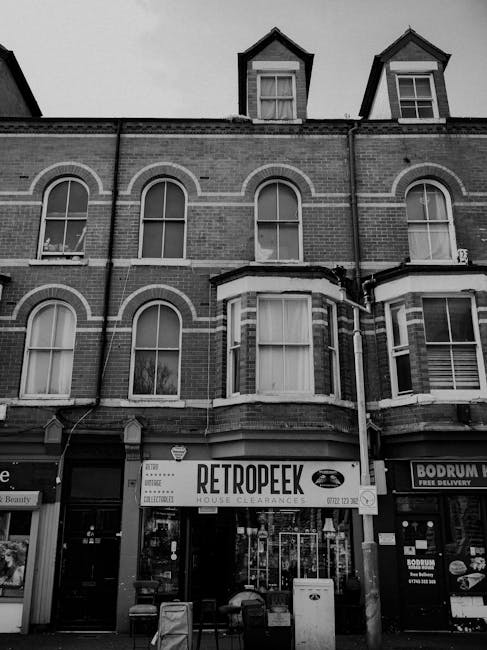
Why Crouch End house clearance guide for Broadway N8 Matters
Crouch End has its own rhythm. Broadway N8 is busy, residential, and full of homes that vary from compact flats to larger family properties. That mix matters because a clearance in one property can be very different from the next. A Victorian terrace with narrow staircases, a top-floor flat with limited parking, or a family home with years of accumulated belongings each creates different challenges. One-size-fits-all advice rarely fits here. Not even close.
A good house clearance plan matters because it helps you avoid rushed decisions, missed items, accidental damage, and costly delays. It also gives you a better chance of keeping usable things in circulation rather than sending everything straight to waste. That is especially relevant if you care about recycling, donation, or reducing the amount going to disposal facilities. For a wider look at responsible handling, our recycling and sustainability approach explains how careful sorting can make a real difference.
Local knowledge is useful too. Around Broadway, access can be tight, parking can be awkward at certain times, and neighbours may not be thrilled by noisy, drawn-out work. A clearance that is well organised tends to be quicker, tidier, and a lot less disruptive. And lets face it, that is what most people want: get the job done without turning the whole street into a scene.
How Crouch End house clearance guide for Broadway N8 Works
In practical terms, a house clearance usually follows a few simple stages. The exact shape of the job depends on the size of the property and how much needs removing, but the basic flow is similar.
First, items are assessed. That may happen during a visit, through photos, or by a conversation about what is inside the property. Then the team separates what is being kept, what can be reused or donated, what should be recycled, and what must be disposed of. After that comes the removal itself, followed by loading, transport, and responsible handling at the other end.
For broader removals and mixed waste jobs, it can help to understand the difference between clearance and general disposal. A house clearance is usually about emptying or substantially reducing the contents of a home, while waste removal in Haringey is often better suited to more specific loads, such as broken furniture, bagged clutter, or mixed household rubbish. If your project includes garden items as well, the dedicated garden waste removal service can be a better fit for soil, branches, hedge cuttings, and seasonal debris.
One useful thing to know: good clearance work is rarely just about lifting and shifting. It is about sorting, risk awareness, access planning, and keeping the property safe while work is underway. That is the part people do not always see from outside.
Key Benefits and Practical Advantages
A well-managed clearance offers more than a clean space. The real value is in the practical relief it gives you.
- Less stress: You are not making dozens of decisions in a panic or moving items twice.
- Better use of time: A planned clearance is usually faster than trying to handle it in fragments over several weekends.
- Safer working conditions: Heavy furniture, broken items, and cramped stairs can be awkward. Planning reduces the chance of injury or damage.
- More responsible disposal: Sorting items properly can support recycling and reuse.
- Cleaner property handover: Useful when selling, letting, refurbishing, or preparing a home for family use.
- Less neighbour disruption: Shorter loading times and fewer repeat visits mean less noise and obstruction.
There is also a subtle but important benefit: clarity. Once the clutter starts moving out, people often feel much more in control. A room that looked overwhelming on Monday can feel manageable by Tuesday. Strange how much difference that makes.
If you are preparing a property for sale or letting, the timing can matter just as much as the removal itself. For readers comparing property-related decisions in the area, these Haringey buy-and-sell tips and this local guide to living in Haringey can help you think about the wider context too.
Who This Is For and When It Makes Sense
This kind of guide is useful for anyone facing a household reset, but it is especially relevant if you are in one of these situations:
- Moving home: You want to clear unwanted items before the move, not after everything is boxed up.
- Probate or bereavement clearance: You need a respectful, organised process that does not add unnecessary pressure.
- End of tenancy: Landlords and tenants often need a property emptied quickly and returned in reasonable condition.
- Downsizing: A smaller home means fewer things can come with you, simple as that.
- Refurbishment or sale preparation: Empty rooms are easier to repaint, measure, photograph, and market.
- Hoarding or long-ignored clutter: A gradual, structured approach usually works better than a chaotic clear-out.
Sometimes the need is obvious. Sometimes it sneaks up on you. A loft gets filled over years, a spare room turns into storage, and then suddenly you cannot find the table you actually use every day. If that sounds familiar, you are not alone.
For more complex jobs, it may be useful to compare clearance with other services. A business premises, for example, may need office clearance in Haringey, while a builder's project may call for builders waste disposal rather than a standard household clearance.
Step-by-Step Guidance
If you want the day to run smoothly, the best approach is to break the process into clear steps. A little prep makes a big difference.
- Define the scope. Decide whether you need a partial clearance, a room-by-room sort, or a full house emptying.
- Separate essentials first. Put aside documents, keys, medications, photos, valuables, and anything you might need to keep close.
- Identify bulky or awkward items. Wardrobes, sofas, beds, white goods, and broken furniture often need special handling.
- Check access. Measure stair widths, note parking restrictions, and think about where loading can happen safely.
- Group items by type. Reusable, recyclable, donate-worthy, and disposal-only items should not all end up in one pile if it can be avoided.
- Ask about timing. A morning start can work well in busier areas because it gives you more daylight and a calmer street.
- Confirm the quote basis. Make sure you understand what is included before the work begins.
- Walk through the property. Do a final check of cupboards, lofts, sheds, under beds, and behind doors. It happens all the time that a small item gets left behind in a rush.
A practical example: if you are clearing a flat on Broadway and there is a narrow stairwell, you may want the heaviest pieces removed before smaller loose items. That reduces trip hazards and keeps the route clearer. It sounds obvious, but in the middle of a busy job people forget. Happens to all of us.
Expert Tips for Better Results
Good clearance work is part organisation, part judgement. Here are the tips that usually make the difference between a tidy, efficient job and a drawn-out headache.
- Take photos before you start: Useful for shared properties, probate records, or simply keeping track of what was there.
- Label rooms or zones: Even a simple note on tape can save confusion when items are being moved quickly.
- Be strict with "maybe later" items: A pile of things you may keep often becomes a pile you have to sort again.
- Keep utilities in mind: If the property is empty, do not accidentally remove items tied to the boiler, meter access, or alarms.
- Plan for weather: In London, a dry clear-out can turn into a damp one in minutes. Covers, mats, and sensible footwear are worth it.
- Think about resale or donation value: Some items are better reused than binned, especially furniture and household goods in decent condition.
One more thing: be honest about the volume. Underestimating the amount of stuff is probably the most common planning mistake. It is tempting to think, "Oh, it's just a few bags." Then the wardrobe doors open and the story changes completely.
If you care about where items go afterwards, our recycling and sustainability page gives a useful sense of the values behind responsible clearance decisions.

Common Mistakes to Avoid
Most clearance problems are preventable. The tricky part is that they only look minor before the job begins.
- Leaving sorting until the day: This slows everything down and creates unnecessary pressure.
- Forgetting access restrictions: A van may not be able to stop directly outside, especially near busier stretches of Broadway.
- Mixing hazardous items with general waste: Paints, chemicals, sharps, and some electrical items need extra care.
- Assuming everything can be lifted quickly: Stairs, narrow hallways, and old furniture can add real time.
- Not checking what should stay: It is painful when a useful file, charger, or family item gets removed by mistake.
- Choosing only by price: The cheapest quote may not include the flexibility or care you need.
Also, do not let the place become "temporary storage" during the process. Once one room becomes the dumping ground, sorting gets messy fast. A bit of discipline up front saves a lot of faffing about later.
Tools, Resources and Recommendations
You do not need a van and a warehouse of equipment to get started, but a few simple tools help enormously.
- Strong boxes or tote bags: For documents, small valuables, and items you want to keep separate.
- Labels and marker pens: Helpful for room-by-room organisation.
- Heavy-duty sacks: Better than thin bags when dealing with mixed household clutter.
- Gloves and sturdy footwear: Particularly useful if you are handling dusty loft items or broken materials.
- Tape and basic wrapping: Good for fragile objects, mirrors, or anything with sharp edges.
- Phone camera: Surprisingly useful for documenting condition or keeping track of what goes where.
Beyond tools, the most useful resources are often informational rather than physical. If you are exploring the wider service picture, our pricing and quotes information can help you understand how quotations are usually handled. For trust and reassurance, you may also want to review insurance and safety guidance and our about us page.
If your situation involves a very specific type of load, the relevant service page is usually the best place to start. For example, a cluttered garage or mixed domestic rubbish may fit rubbish collection in Haringey better than a full clearance. Small distinction, but it matters.
Law, Compliance, Standards, or Best Practice
House clearance is not just a matter of moving things out of a property. It also comes with responsibilities around waste handling, safety, and privacy. You do not need to become a compliance expert, but you do need to choose a provider that treats these duties seriously.
In the UK, waste should be handled responsibly and taken to appropriate facilities. Good operators normally separate reusable items, recyclable materials, and general waste where practical. Electrical items, metal, wood, textiles, and certain household materials may each follow different handling routes. Hazardous or unusual items need extra caution.
Best practice also includes:
- Keeping access routes safe so nobody trips over loose items or trailing packaging.
- Protecting personal information found in papers, storage boxes, or old devices.
- Using proper lifting methods for heavy furniture and awkward loads.
- Being honest about what can and cannot be removed in a standard clearance.
- Following the site's conditions if the property is shared, tenanted, or managed by an agent.
If you want reassurance around the broader business standards that sit behind the service, a quick look at the site's terms and conditions, privacy policy, and modern slavery statement can help show the approach being taken. And for people who want to understand the practicalities of payment, the payment and security information is worth a look as well.
One quiet but important point: if a company seems vague about disposal methods, insurance, or what happens to your items after collection, that is a warning sign. Not dramatic, just worth noting.
Options, Methods, or Comparison Table
Not every job needs the same solution. Sometimes a full house clearance is the right answer. Sometimes a lighter rubbish collection or a specialist waste removal service makes more sense. Here is a simple comparison to help you decide.
| Option | Best for | Typical strengths | Possible limitation |
|---|---|---|---|
| Full house clearance | Whole homes, probate, moving, major downsizing | Comprehensive, efficient, fewer moving parts | May be more than you need for a small job |
| Partial clearance | Single rooms, lofts, garages, selected furniture | Flexible, focused, often quicker | Requires clearer sorting from the start |
| Rubbish collection | Bagged waste, mixed household clutter, smaller volumes | Simple and fast for lighter loads | Not ideal for full property emptying |
| Waste removal | General bulky waste and mixed unwanted items | Good for practical, everyday clear-outs | May need extra detail for specialised loads |
| Builders waste disposal | Refurbishment debris, construction offcuts, renovation waste | Better suited to project waste | Not the right choice for domestic contents |
For many people in Broadway N8, the decision is really about scale. If you are emptying several rooms, full clearance usually makes life easier. If you only have a few bulky bits, a more targeted service is often the smarter move. Simple, really.
Property-related readers may also find our real estate investment tips for Haringey buyers useful if clearance is part of a wider buy-to-let or refurbishment plan.
Case Study or Real-World Example
Here is a realistic example, without dressing it up too much. A homeowner near Broadway needed to clear a two-bedroom flat after a long period of family use. The property held a mix of old furniture, boxed paperwork, kitchen items, and a few awkward pieces stored in the hallway. Nothing extreme, but enough to feel overwhelming when seen all at once.
The first useful step was not removal. It was sorting. The homeowner separated photographs, legal papers, a couple of sentimental items, and everyday valuables. After that, the remaining contents were grouped into keep, donate, recycle, and remove. The hallway was kept clear so nothing blocked the exit. That made the actual clearance quicker and safer.
The biggest benefit came from reducing decisions on the day. Because the sorting had already been done, the removal team could work methodically rather than waiting around for last-minute choices. The result was a cleaner handover and far less stress for everyone involved. To be fair, that is usually what a good clearance should feel like: calm, not chaotic.
In a different scenario, a landlord preparing a flat for re-let might need the job done fast between tenancies. In that case, the priority shifts from emotional sorting to speed, access, and a thorough final sweep. Same service family, different mindset.
Practical Checklist
Use this checklist before your clearance day. It keeps the job from drifting.
- Confirm which rooms, lofts, sheds, and cupboards are included.
- Remove passports, bank papers, personal records, and valuables.
- Decide what must stay in the property.
- Set aside anything going to family, charity, or resale.
- Identify bulky furniture and fragile items.
- Check parking, loading access, and any time restrictions.
- Make a note of electrical items, white goods, or anything unusual.
- Keep pets, children, and residents out of the work area where possible.
- Take a quick before-and-after photo set if you need a record.
- Review the final walk-through before the team leaves.
Expert summary: the best clearances in Crouch End are usually the ones that feel uneventful on the day. That sounds odd, maybe, but it is true. Clear instructions, sensible sorting, and a realistic plan do most of the heavy lifting before anyone picks up a box.
Get a free quote today and see how much you can save.
Conclusion
A successful clearance in Broadway N8 comes down to preparation, realistic expectations, and choosing the right type of service for the job in front of you. If you take time to sort the essentials, plan access, and work with a provider that handles waste properly, the whole process becomes much easier than most people expect.
Whether you are clearing a family home, preparing a rental, or simply reclaiming space that has been slowly swallowed by life's stuff, the aim is the same: a safer, cleaner, calmer property and a process that respects your time. That really is the point.
If you are still in the planning stage, a sensible next step is to compare your options, review the service details, and think about what level of support you actually need. A little clarity now can save a surprising amount of effort later. And if the job feels bigger than you expected, that is completely normal. Many do.


Copyright © . House Clearance Haringey. All Rights Reserved.