What to know about difficult access rubbish removal in Haringey
Posted on 22/06/2026
If you are dealing with rubbish in a flat on a tight staircase, a rear yard with no easy gate access, or a property where parking is never quite on your side, you already know this: difficult access rubbish removal in Haringey is not the same as a standard clear-out. It takes more planning, more care, and a bit of local know-how. The good news? Once you understand how the process works, it becomes much easier to avoid delays, unexpected costs, and those awkward moments when a job looks simple from the street but turns out to be anything but.
In Haringey, access problems often come down to the same handful of things: narrow communal hallways, basement flats, controlled parking, stairs that seem to go on forever, shared entrances, and awkward collection points. This guide breaks down what to expect, how to prepare, and how to make the whole thing smoother from start to finish. If you want a broader sense of the service landscape first, it can also help to look at the services overview and the page on insurance and safety so you know what a professional setup should cover.
Expert summary: The biggest win with difficult access waste removal is preparation. Clear access, accurate photos, honest descriptions, and realistic timing matter just as much as the lifting itself. Get those right and the job usually feels calmer, quicker, and far less expensive than people expect.
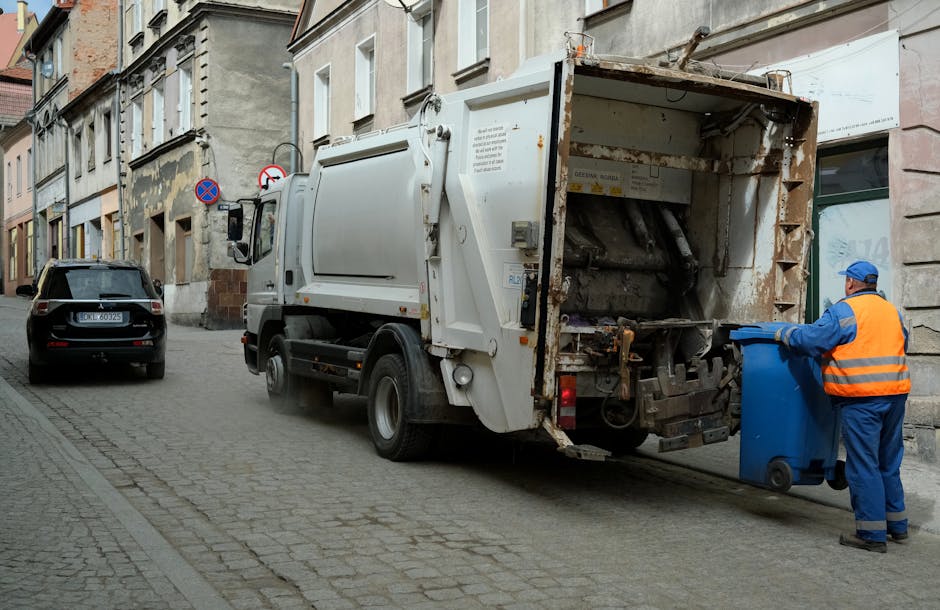
Why difficult access rubbish removal in Haringey matters
Difficult access rubbish removal matters because access changes everything. A sofa is one thing when it can be carried straight out of a front door and loaded from a driveway. It is another thing entirely when the item has to be manoeuvred around a tight turn, down a communal staircase, past neighbours, and through a controlled-entry courtyard where the van cannot stop right outside. That extra complexity affects time, labour, planning, and safety.
In Haringey, this is especially relevant in older terraced homes, conversions, mansion blocks, upper-floor flats, and mixed-use streets where loading space is limited. It is also common in busy local roads where parking rules, peak traffic, and narrow pavements create a bit of a headache. Truth be told, the job is often less about lifting rubbish and more about managing the route from the item to the vehicle.
Why does that matter to you? Because the main risks in tricky access jobs are almost always avoidable. People overestimate what can be removed quickly, underestimate the value of good planning, and then end up with a half-finished job, extra labour charges, or damage to walls, floors, and bannisters. Nobody wants that. Not on a Tuesday morning, not ever.
It also matters from a waste-handling point of view. If access is poor, the team may need to break down items on-site, carry smaller loads in stages, or use a different collection method. That can change what is recyclable, what needs separate handling, and how long the removal takes. If sustainability is a priority, you may want to read more about recycling and sustainability before booking.
How difficult access rubbish removal in Haringey works
The process usually starts with a clear description of the access issue. That sounds obvious, but it is where many jobs go wrong. A good provider will want to know whether there are stairs, lifts, locked gates, low ceilings, restricted parking, basement access, or shared hallways. Photos help a lot. A quick phone call can also reveal things that pictures miss, like a winding corridor, a steep drive, or a door that barely opens wide enough for a mattress.
From there, the team will normally assess the best approach. In some cases, they will send a smaller crew with lifting gear suited to narrow spaces. In others, they may plan for extra time or split the load into smaller items. For really awkward collections, they may advise dismantling bulky furniture first. That is usually the sensible option, even if it feels a little fiddly at the time.
On the day, the crew will often walk the route first. They will check for obstacles, protect walls where needed, and decide how to move items safely. If parking is limited, they may need to time arrival carefully or use a legal loading arrangement. This is one reason why local familiarity helps. A team that knows Haringey's streets is often better prepared for the small frustrations that can otherwise snowball.
For broader removal jobs, the same principles apply across house, office, and garden clearances. You can see how those services sit together on pages like house clearance in Haringey, office clearance in Haringey, and garden waste removal Haringey. Different waste, same access headaches sometimes.
Key benefits and practical advantages
The main benefit of using a service that understands difficult access is simple: less stress. But there are a few more practical gains that are worth calling out.
- Less risk of property damage: careful planning reduces scuffs, knocks, and broken fixtures.
- Better use of time: a crew that knows the route can work faster, even when the job is awkward.
- Safer lifting: awkward angles and heavy items are handled with more control.
- More accurate pricing: clear access information helps avoid surprise costs later.
- Cleaner completion: if access requires dismantling or staged removal, the end result is usually more thorough.
There is also a less obvious benefit: better judgment. Not every item should be forced through a narrow stairwell just because it technically might fit. A proper assessment can save everyone from the kind of "let's just try it" moment that ends badly. We have all seen those jobs. One wrong turn, a scratched wall, and suddenly nobody is feeling very clever.
If you are comparing services, it is worth looking at the provider's approach to pricing and transparency. The article on avoiding hidden charges in Haringey rubbish removal quotes is especially useful if you want to understand what should be clarified before anyone starts moving anything.
Who this is for and when it makes sense
Difficult access rubbish removal makes sense for anyone whose property, building, or waste location is not straightforward. That includes a lot of people, actually.
- Flat owners on upper floors with no lift or a small lift
- Landlords clearing a property with tight communal access
- Homeowners with basement storage, rear extensions, or narrow side passages
- Tenants moving out of converted properties with awkward staircases
- Office managers clearing stock, archive boxes, or old furniture from an internal loading area
- Builders or tradespeople with waste piled in a cramped front garden or back alley
- Event organisers dealing with post-event debris in a venue with restricted vehicle access
It also makes sense if you are already feeling time pressure. Maybe the rubbish needs to go before a tenancy changeover, a property sale, an inspection, or a renovation start date. In that case, a specialist approach is often worth it because the cost of delay can be higher than the removal itself. If you are in the middle of moving, selling, or preparing a property, these Haringey-focused guides may also be useful: local guide to living in Haringey and Haringey real estate buy-sell tips.
Sometimes the decision is emotional too. People delay clearances because the access looks difficult, then the clutter builds up and starts to feel bigger than it is. That happens more often than you think. The first conversation is usually the hardest part.
Step-by-step guidance
If you want to make a difficult access removal go smoothly, follow a practical process rather than guessing your way through it.
- Identify the access issue clearly. Is it stairs, narrow corridors, limited parking, shared entrances, basement steps, or a locked gate? Be specific.
- Take photos from the route. Photograph the item and the path from the item to the exit. One picture of the rubbish is rarely enough.
- Measure the awkward parts. Door widths, stair landings, and corridor bends matter more than most people expect.
- List the bulky items separately. Wardrobes, sofas, mattresses, appliances, desks, and builders' debris may need different handling.
- Check timing and parking. Morning traffic, school runs, and resident-only streets can all affect access. Haringey streets can be lively, to put it mildly.
- Ask how the team will protect the property. Floor coverings, corner guards, and lifting technique all matter.
- Confirm pricing assumptions. Make sure labour time, disposal costs, and any access-related extras are explained in plain English.
- Prepare the route. Move smaller items out of the way, unlock gates, and warn neighbours if shared space will be used.
- Stay reachable on the day. If the crew spots a hidden access issue, a quick decision can prevent unnecessary delays.
- Review the finish. Check that all agreed waste has been removed and that no debris is left behind.
That may sound a bit fussy. It is fussy, yes. But fussy is good here. Fussy saves time.
For a wider sense of how rubbish is collected and handled across different job types, the pages on rubbish collection in Haringey and waste removal in Haringey are useful starting points.
Expert tips for better results
Here are the things that tend to make the biggest difference in real jobs.
1. Send route photos, not just item photos
A picture of a broken wardrobe is helpful. A picture of the stairwell, gate, doorway, and parking bay is better. Often much better.
2. Separate truly bulky items from mixed waste
One oversized item can slow a job more than a whole pile of smaller bags. If you know what the awkward piece is, say so first.
3. Don't leave access surprises until the arrival window
If there is a key for the rear gate or a parking permit needed for the road, mention it in advance. A crew waiting at the kerb for a missing code is nobody's idea of efficient.
4. Think about weather and surfaces
Rain, wet leaves, slick steps, and muddy side returns are not just inconvenient. They change the safe lifting plan. A cold, damp afternoon can turn a straightforward carry into a slow one.
5. Ask for dismantling where sensible
Sometimes a piece of furniture is easier and safer to remove in parts. The small effort of unscrewing legs or removing doors can save a great deal of awkwardness later.
If you are dealing with construction debris rather than domestic junk, it may also help to review builders waste disposal in Haringey. For jobs involving event cleanup or venue access, Alexandra Palace rubbish removal for events offers a good local example of how access planning changes the job.

Common mistakes to avoid
People tend to make the same few mistakes with difficult access jobs. None of them are dramatic on their own, but together they can turn a simple clear-out into a messy one.
- Underestimating the route: the item may fit through the door, but not around the landing.
- Forgetting about parking: a good lift is no help if the vehicle cannot stop legally nearby.
- Not declaring access restrictions: locked gates, shared codes, and concierge systems should be mentioned early.
- Assuming all waste is the same: mixed household items, appliances, and trade waste are not handled identically.
- Leaving fragile items in the path: mirrors, plants, and hallway furniture can get damaged very easily.
- Choosing price alone: the cheapest quote is not always the best value once access becomes tricky.
A more subtle mistake is not asking what happens if the crew arrives and the access is worse than expected. That is a fair question. You want to know whether the price changes, whether a return visit is needed, and what the fallback plan looks like. Better to ask now than argue later.
Tools, resources and recommendations
You do not need a garage full of specialist kit to prepare for a difficult access removal, but a few simple tools and habits help a lot.
- Tape measure: useful for checking doors, stair widths, and awkward furniture dimensions.
- Phone camera: take clear route photos in daylight if possible.
- Labels or sticky notes: mark items that must stay, items to be removed, and anything fragile.
- Basic screwdriver or Allen key set: sometimes dismantling one piece saves fifteen minutes of wrestling. Easy win.
- Clear access plan: write down gate codes, parking notes, and any building instructions.
From a planning point of view, it also helps to compare the sort of service you need. If the job is mainly domestic clutter, house clearance Haringey may be the best fit. If it is a workplace, office clearance Haringey is more relevant. If it is a smaller collection, a more direct collection service may be all you need. Choosing the right fit is half the battle.
And if you are still getting a feel for the company behind the service, about us can be a useful trust page, while payment and security helps answer the money side of things. Not glamorous, perhaps, but very useful.
Law, compliance, standards, and best practice
For rubbish removal in the UK, the exact compliance details can depend on the waste type, the property setup, and who is carrying the waste. So it is sensible to keep this section practical rather than overly legalistic. In plain terms, the business collecting your waste should handle it responsibly, transport it safely, and deal with disposal in a way that follows accepted UK waste practice.
Best practice in a difficult access job usually includes:
- Clear risk assessment: checking stairs, load paths, trip hazards, and manual handling concerns before lifting begins.
- Safe manual handling: using enough people, the right lifting technique, and sensible item breakdown where needed.
- Property protection: avoiding avoidable damage to floors, walls, doors, and shared areas.
- Waste segregation: separating recyclable materials where practical.
- Honest pricing: explaining access-related costs before work starts, not after.
Insurance matters too. If a job is awkward, the chances of accidental damage rise a little. That does not mean problems are likely, but it does mean the provider should be properly prepared. The page on insurance and safety is worth checking if you want reassurance on that front.
One more thing: if a property is managed by a landlord, letting agent, or building manager, there may be site-specific rules about lift use, corridor protection, or collection windows. Those are not always "law" in the formal sense, but they still matter. A lot. A quick note to the building contact can save you a surprisingly long email chain later.
Options and comparison table
Not every tricky collection needs the same approach. Here is a simple way to compare the most common options.
| Option | Best for | Strengths | Limitations |
|---|---|---|---|
| Standard rubbish collection | Straightforward access, smaller loads | Quick, simple, often efficient | Can struggle with stairs, tight turns, or bulky items |
| Specialist difficult access removal | Basements, upper floors, narrow corridors | Better planning, safer handling, fewer surprises | May cost more if access is genuinely complex |
| House clearance service | Whole-property clear-outs | Good for mixed waste and large volumes | Not ideal for a single small collection |
| Builders waste disposal | Trade waste, renovation debris | Suited to heavy, messy, mixed materials | Access and loading need careful planning |
There is no universal winner. The right choice depends on volume, weight, access route, and how quickly the job needs to happen. For example, a small amount of bagged waste from a flat may be easy to remove with a standard collection. But a large wardrobe from a top-floor conversion? That is a different conversation entirely.
If you want a local pricing perspective, Wood Green N22 rubbish removal costs and tips is a helpful read, and the page on pricing and quotes can help you understand how quotes are typically framed.
Case study or real-world example
Picture a top-floor flat in Haringey with a narrow staircase and a shared entrance. The client needs to remove an old sofa, a broken chest of drawers, and several bags of general clutter before a tenancy handover. On the face of it, not a huge job. But the hallway is tight, the turn on the stairs is awkward, and street parking is limited until later in the morning.
A sensible approach would be to ask for route photos, confirm whether the sofa can be dismantled, and agree a time window that avoids the busiest parking period. The crew might arrive with the right size vehicle, use protective coverings, and remove smaller items first to create a clear path. If the sofa is too awkward in one piece, it is broken down safely rather than forced through the stairwell. Slightly slower at first, yes. But much better than scraping paint off the walls and pretending it was all fine.
The job finishes neatly, the hallway stays intact, and the client avoids the last-minute panic that so often comes with move-out deadlines. That is the real value of difficult access planning: not glamour, just calm competence. And honestly, calm competence is underrated.
For a similar real-world context around local clearances and access-sensitive jobs, you may also find the Crouch End house clearance guide for Broadway N8 useful, especially if you are comparing property layouts and removal logistics in the area.
Practical checklist
Use this before you book or on the morning of the removal.
- Have you identified the exact access issue?
- Have you taken photos of the items and the route?
- Have you measured doors, stairs, and awkward turns?
- Have you confirmed gate codes, lift rules, or concierge access?
- Have you checked parking restrictions and loading options?
- Have you listed any particularly heavy or bulky items?
- Have you asked about dismantling if needed?
- Have you clarified whether pricing changes if access is worse than expected?
- Have fragile surfaces been protected or moved out of the way?
- Have you made sure someone can answer the phone during the collection window?
Quick reminder: a clear route and a clear brief are worth more than guesswork. Every time.
Conclusion
Difficult access rubbish removal in Haringey is really about preparation, communication, and choosing a team that understands the practical realities of London properties. If the route is tight, the stairs are awkward, or parking is a headache, the right plan makes a big difference. You do not need to overcomplicate it, but you do need to be honest about what the crew will face on arrival.
The best results usually come from simple habits: share good photos, describe the access clearly, ask about protections and pricing, and allow a little room for the unexpected. That way the job stays manageable, the property stays safer, and everyone has a better day. Which, let's face it, is the whole point.
If you are ready to move forward, keep the job clear, keep the brief honest, and choose the option that fits your access conditions rather than just the waste itself. It's a small bit of planning that saves a lot of hassle. And a smoother collection can feel like a proper relief, especially when the space is finally clear again.
Get a free quote today and see how much you can save.


Copyright © . House Clearance Haringey. All Rights Reserved.